
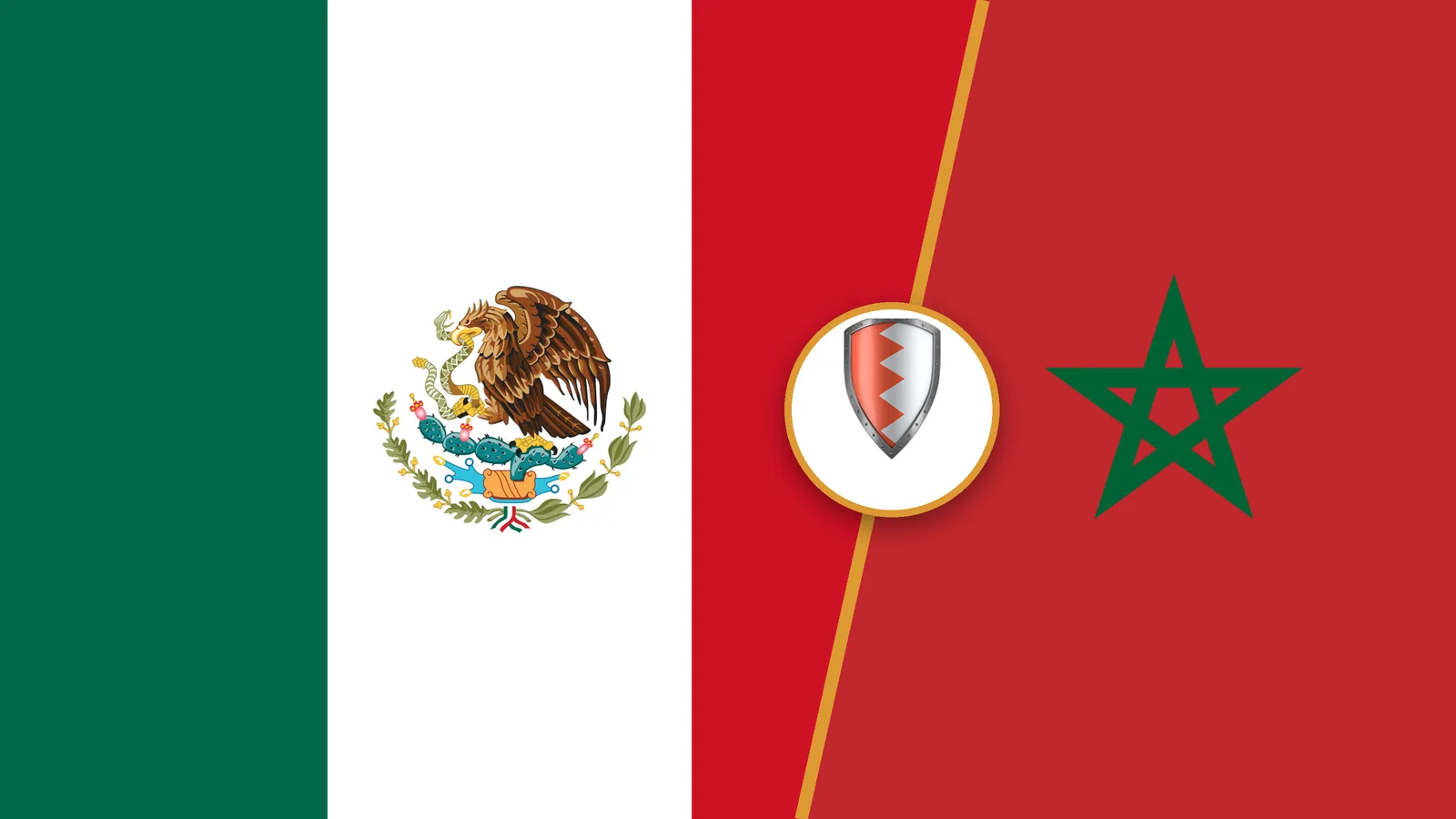
Is It Safe to Travel to Morocco as a Mexican?
Morocco is a very well-established tourist destination. We tell you what to expect, the most common risks and how to travel with peace of mind.
In general terms, Morocco is a safe destination for tourists, including Mexican travelers. It receives millions of visitors every year and has a well-established tourist infrastructure. As in any country, there are minor risks that you can avoid with information and common sense.
What is not usually a problem
- Violence against tourists is rare, and the large tourist cities have a visible police presence.
- Being Mexican poses no special difficulty: you will be welcomed like any other foreign visitor.
- Moroccan hospitality is part of the culture: it is common to be invited for tea.
The most common risks
Commercial harassment and fake guides
In the medinas, some vendors or young people offer to guide you and then demand money. Decline firmly and politely ("no, thank you"), do not be swayed by anyone who claims that "that street is closed" and hire accredited guides or go through your hotel or agency.
Petty theft
In busy areas, such as Jemaa el-Fna, keep your bag closed and in sight, do not display valuables and do not carry your original passport everywhere.
Prices and taxis
Agree on the price before getting into a large taxi, and in small city taxis ask them to use the meter. Bargaining in the souk is normal: set your limit and do not feel pressured.
Driving
Traffic can be chaotic. If you have no experience driving in Morocco, a professional driver is safer and more relaxing, especially on mountain and desert roads.
Traveling as a woman
Many women travel alone through Morocco without incidents, but they may receive unwanted comments in the street. It helps to dress modestly, avoid walking alone at night in quiet alleys, ignore anyone who bothers you and choose trusted accommodation and tours. Private tours with a local guide greatly reduce that friction.
Rules and customs worth respecting
- Alcohol: it is only sold in licensed establishments, and drinking in public is frowned upon.
- Drugs: cannabis is illegal for recreational use and penalties can be severe; do not carry it or use it.
- Photographs: ask permission before photographing people.
- Relationships and public displays of affection: local laws and customs are conservative; be discreet.
- Ramadan: during the day many locals fast; be respectful when eating or drinking in public.
Health and water
- Drink bottled water and avoid ice of doubtful origin.
- Wash raw fruit and vegetables well, or choose cooked food.
- Take out travel insurance with medical coverage.
What to do in an emergency
- Urban police: 19. Royal Gendarmerie (rural areas and roads): 177. Civil Protection and ambulance: 15.
- Contact your insurer and the Embassy of Mexico in Morocco if you lose your passport or a serious problem arises.
- Keep digital copies of your passport and your insurance.
Traveling with a local agency
A local guide and driver know the areas, the schedules and the customs, and spare you most problems. At Agencia Marruecos Tours we organize private tours with Spanish-language support and assistance throughout the trip. You can also see our frequently asked questions.
Questions about safety
In general, no. The most common risks are commercial harassment, minor scams and petty theft in very crowded areas.
No. You are treated like any other foreign tourist.
Many women do it without problems, but it is advisable to dress modestly and choose trusted accommodation and tours.
Urban police: 19; Royal Gendarmerie: 177; Civil Protection and ambulance: 15. Also contact your insurer and the embassy.
Shall we talk about your trip to Morocco?
Tell us your dates and how you picture it: we will send you a private, tailor-made itinerary with a local guide in under 24 hours.
Request a quote ⤍